The Case For (or Against) Solid Mahogany Furniture
A dissertation on the pros and cons of solid mahogany furniture compared to mahogany veneer over hardwood secondary woods.
Over decades of buying, restoring, and selling antique and vintage furniture, Bob and Ellen Tuttle gathered a wealth of practical knowledge. The essays below share that expertise — covering wood types, construction methods, manufacturers, sizing, and valuation.
A dissertation on the pros and cons of solid mahogany furniture compared to mahogany veneer over hardwood secondary woods.
A comparative listing of major American furniture manufacturers from the period 1900–1950.
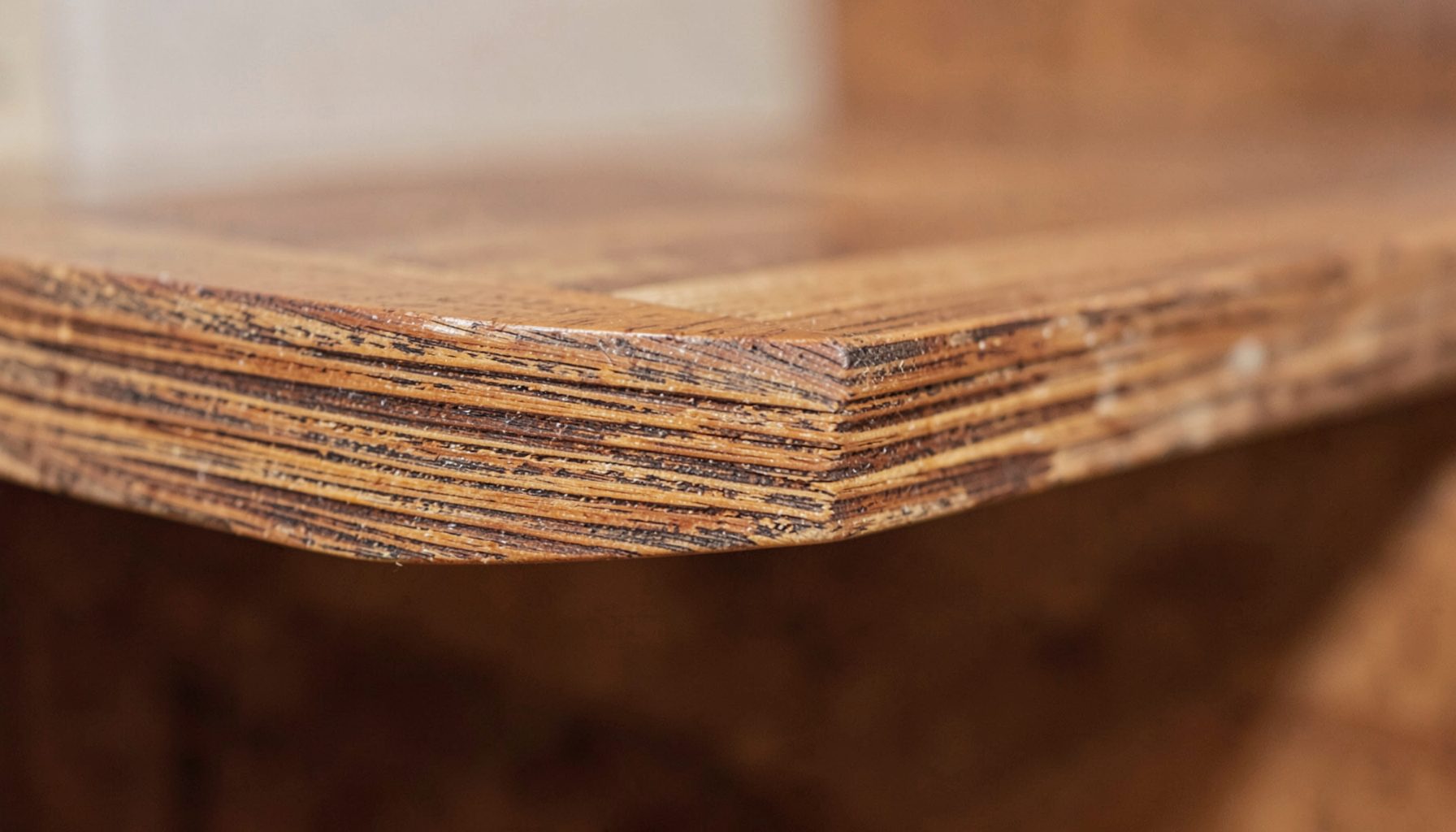
An essay identifying the means of determining whether a piece of furniture is made of solid mahogany or mahogany veneer.
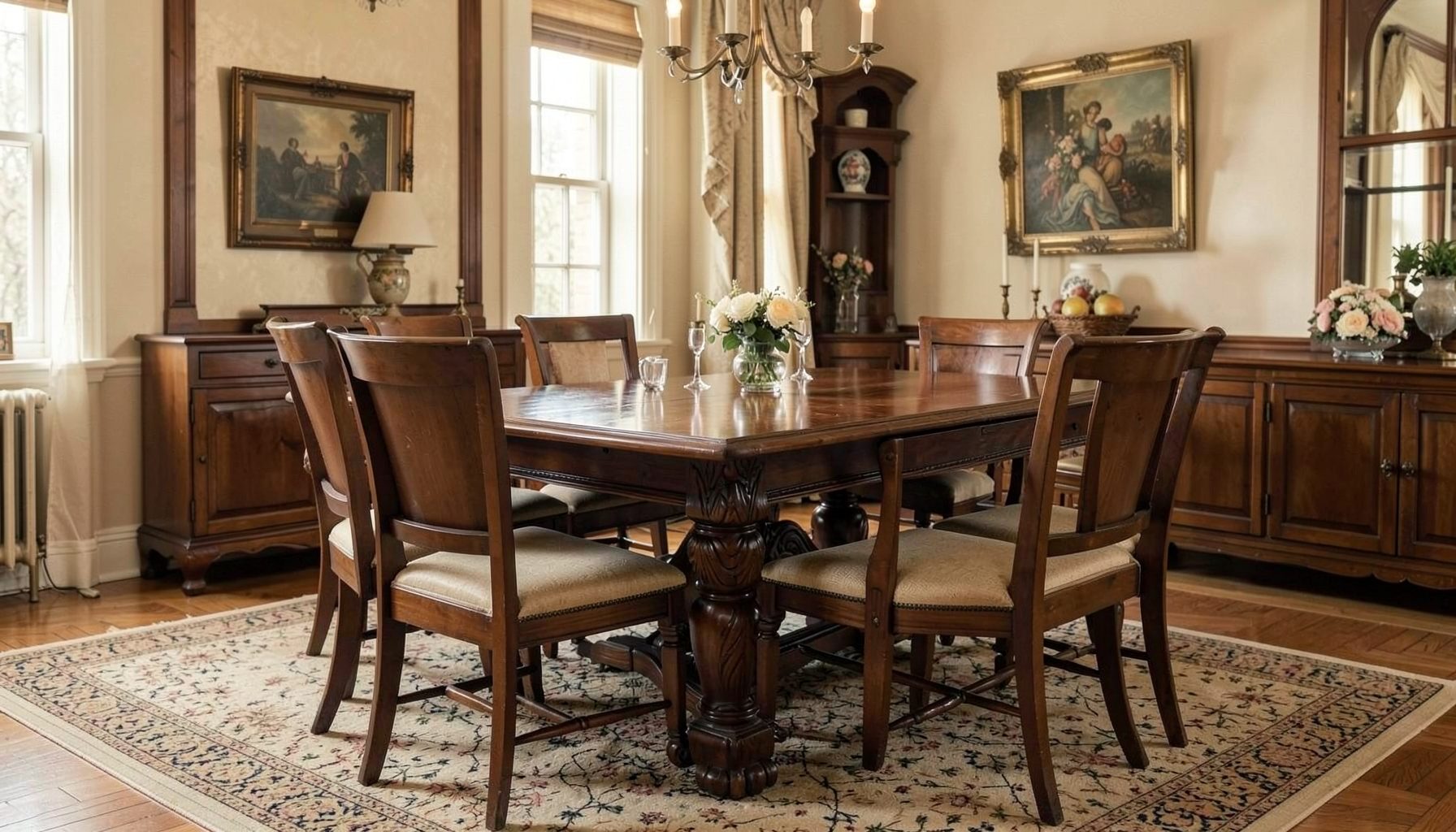
A listing of standard sizes of American formal dining tables.
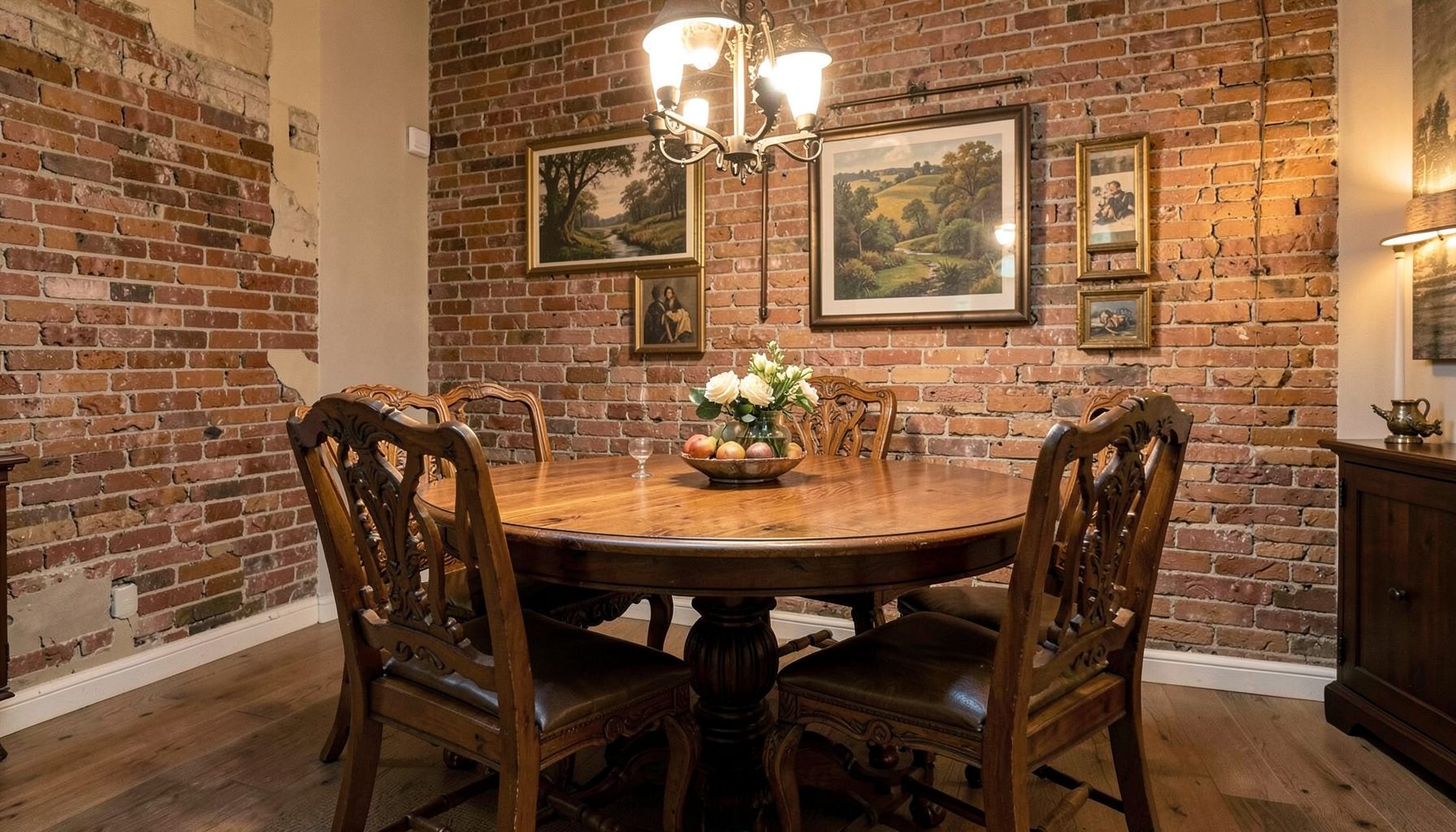
An identification of the dimensions required of a dining room to accommodate various pieces of a formal dining room set.
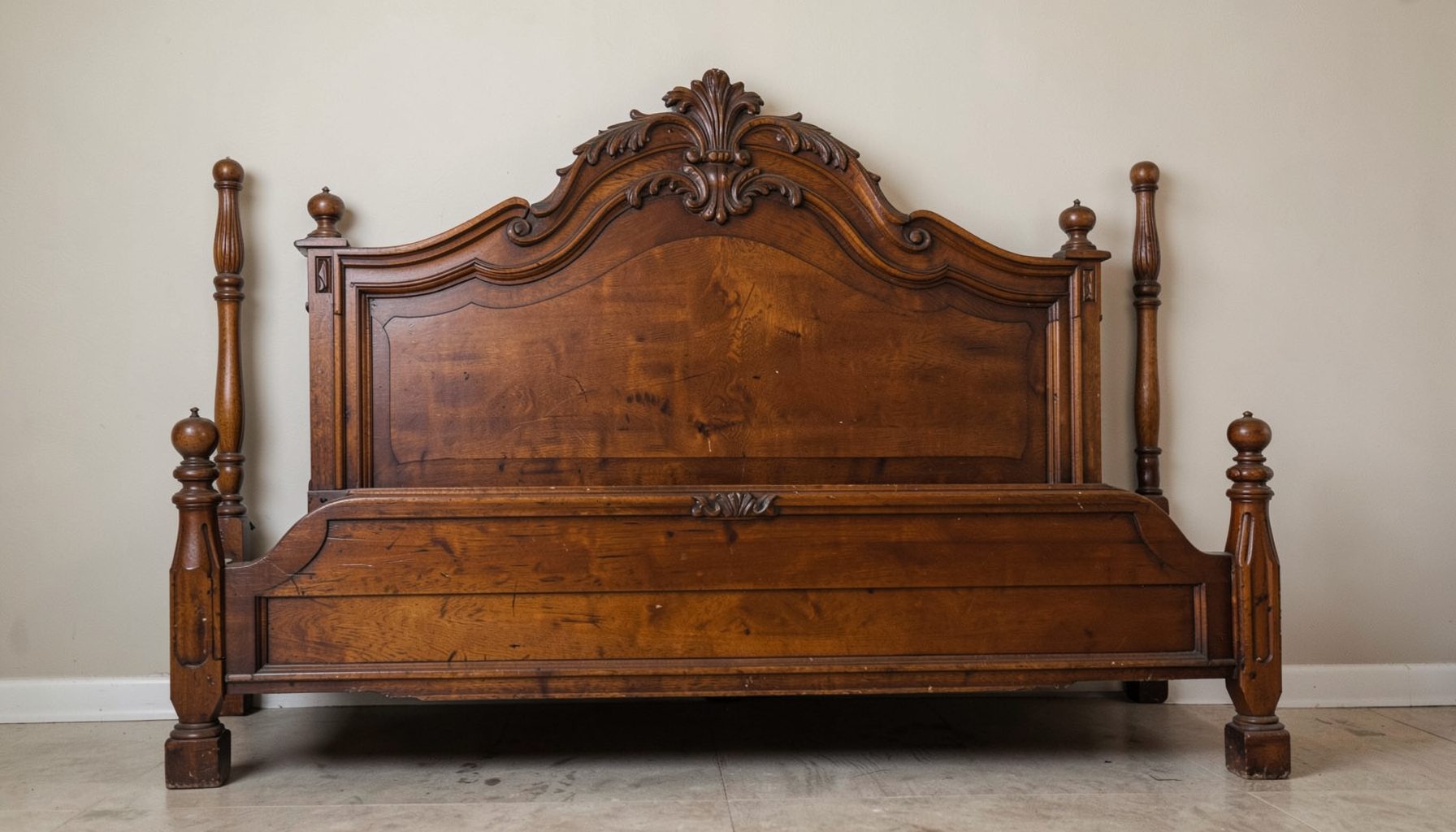
A listing of standard sizes of American beds.
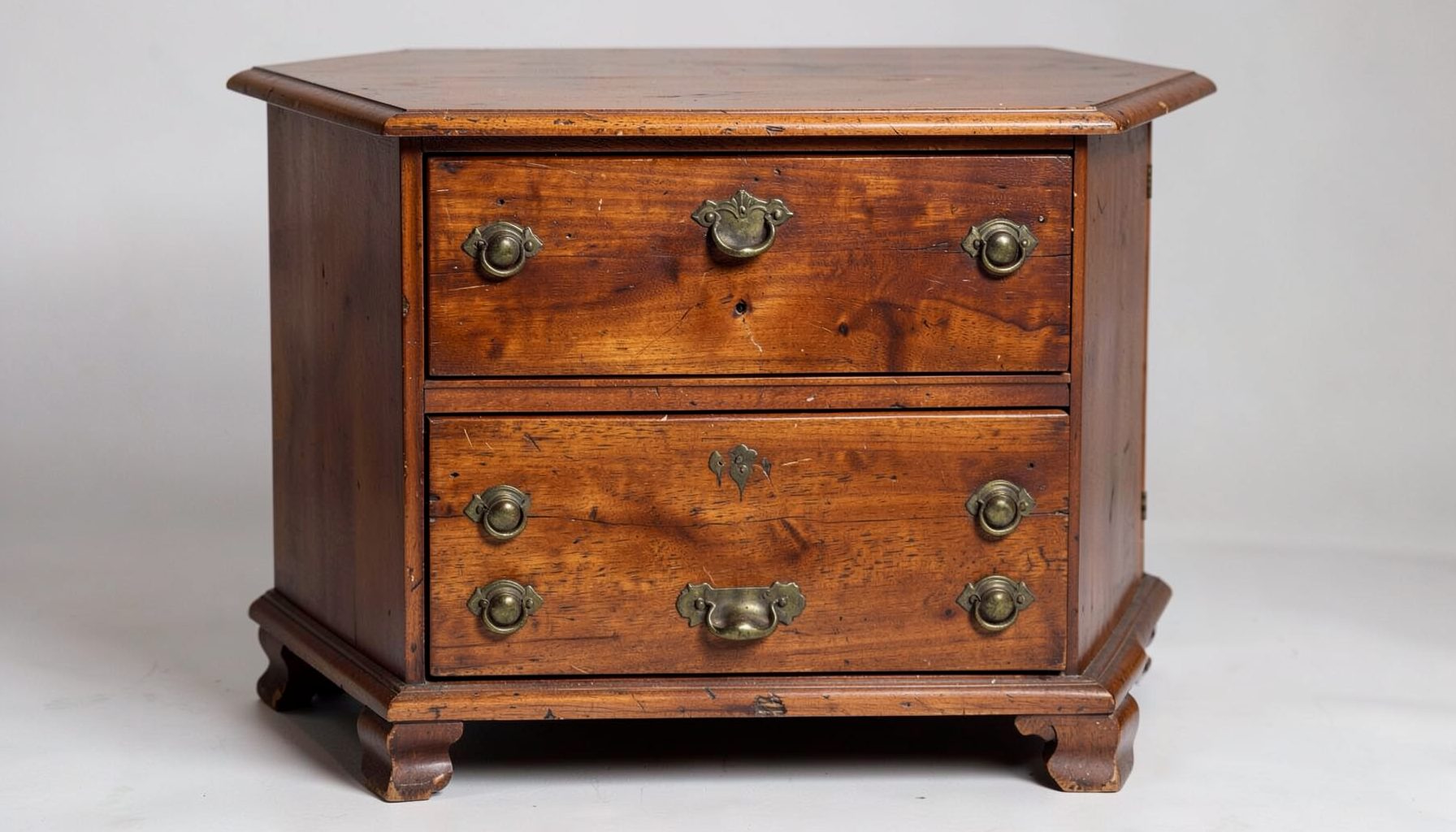
An essay on determining the value of a piece of American-made furniture.
These essays were developed by Bob and Ellen Tuttle, who founded AMG Vintage House in Greer, South Carolina, in 1994. With more than 30 years of antique refinishing experience, they created this collection to share practical knowledge about American furniture — from identifying solid versus veneer construction to understanding what size dining set fits a formal dining room. The series also explores the difference between furniture styles and periods, helping readers better appreciate the craftsmanship behind the pieces they love.
When it comes to antique and vintage furniture, the difference between a good piece and a truly exceptional one often comes down to the details. Understanding how a drawer is joined, how a finish was applied, or how a particular wood ages over time can transform the way you evaluate a piece at first glance. Bob and Ellen Tuttle have spent years developing this kind of practical eye, and the essays gathered here are meant to help you do the same. Whether you are a seasoned collector or someone just beginning to furnish a home with quality pieces, the knowledge shared on these pages offers a solid foundation for making informed, confident decisions about the furniture you choose to live with and care for.
Beyond identification and valuation, caring for antique and vintage furniture is a craft in its own right. Refinishing, repairing, and preserving these pieces requires patience, the right approach, and respect for the materials and methods used by the original makers. The guidance offered in these essays reflects the hands-on experience gained from decades of restoring and selling well-built furniture. By understanding the construction techniques and the natural behavior of different woods, you can better judge when a piece is worth restoring, what kind of work it may need, and how to keep it in excellent condition for years to come. The goal throughout is simple: to help furniture lovers appreciate, protect, and enjoy the pieces they own.